

(RTC)
Tobacco Company (RTC): Case Study in Digital Procurement Transformation
Executive Summary
The Tobacco Company (RTC), a major player in the Pakistani tobacco industry, faced significant operational and financial challenges due to its manual, paper-based green leaf procurement process. Key issues included rampant inventory theft, payment irregularities, and a complete lack of traceability for individual tobacco bales.
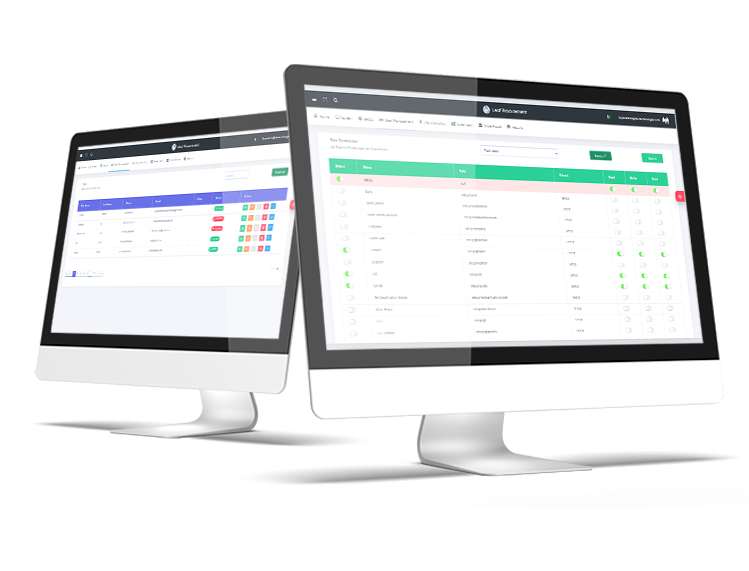
RTC initiated a comprehensive digital transformation program to create a fully tracked and transparent supply chain from the grower to the Green Leaf Threshing (GLT) plant. The solution integrated barcoding, Wi-Fi connected weighing scales, and a centralized inventory management system. This implementation successfully established a complete backtracking trail for every bale, drastically reducing discrepancies, eliminating fraud, and providing the Audit team with real-time, accurate financial and stock data.
Challenges in the Legacy Procurement Process
RTC’s prior system for purchasing raw tobacco leaves was characterized by manual data handling, which created critical vulnerabilities and a high-risk operational environment:
Financial Leakage and Fraud
Weight Irregularities
Manual recording of weights at the procurement centers allowed for human intervention and manipulation, resulting in fraud related to weight discrepancies.
Operational Inefficiency and Lack of Control
The Digital Solution: End-to-End Tracking
RTC implemented a unified digital system designed to secure the supply chain at every step of the procurement process.
Step | Legacy Process (Manual) | Digital Solution (Automated) |
Weighing | Manual weighing, handwritten log. | Wi-Fi Connected Scale: Weight is automatically captured, time-stamped, and transmitted directly to the central system upon weighing. |
Identification | Tagging with handwritten paper slips. | Barcoding: A unique barcode is immediately printed and affixed to the bale. This barcode is the bale’s digital identity. |
Data Entry | Manual data entry and transfer of paper logs. | Centralized System: All weighing and identification data is instantly logged in the central inventory system and associated with the grower’s ID. |
Verification | Simple visual check. | Two-Step Verification: 1. Verification at the procurement center upon purchase. 2. A mandatory second scan/verification upon receipt at the warehouse. |
Payment | Manual voucher creation, prone to duplicates. | System-Generated Vouchers: Vouchers are automatically generated based on the digital weight record, ensuring accuracy and preventing duplication. |
Results and Impact of the Transformation
The digital procurement system transitioned RTC from an opaque, high-risk, paper-based operation to a transparent, auditable, and data-driven supply chain.
Complete Traceability and Accountability
The new system provided an unparalleled level of transparency, enabling complete backtracking of every single bale:
Final Product Linkage
Tracing a processed leaf bale back to its original constituent grower bales, fulfilling the critical requirement for end-to-end tracking.
Enhanced Audit and Financial Control
The most significant benefit was the system’s ability to satisfy the stringent requirements of the audit team by providing real-time, verifiable data:
Audit Inquiry | System-Provided Data & Solution |
Stock Purchased | The system provides an instant, accurate record of the total number of bales purchased and the total value of the stock acquired at any procurement center in a day. |
Grower Payments & Liabilities | System-generated vouchers and payment records ensure a direct and accurate ledger of how much was paid to growers and the current liabilities against procured stock. |
Preventing Discrepancies | The automated weighing, barcoding, and the two-step verification significantly mitigated the risk of theft and weight fraud. |
Conclusion
The digital procurement transformation at Tobacco Company serves as a successful model for applying technology to overcome pervasive operational and financial risks in traditional supply chains. By establishing a rigid, transparent, and digitally-enforced chain of custody for its raw materials, RTC not only solved its issues with fraud and theft but also created a reliable, auditable foundation for future strategic growth and quality assurance.